


















What CE Ratings Really Mean for Kiwi Riders
If you’ve ever shopped for Motorcycle armour, you’ve likely seen labels like CE Level 1, Level 2, or even AAA ratings. For many Kiwi riders, those markings feel more like marketing jargon than something genuinely useful. That’s a problem. Because when things go wrong on the road, these ratings are not just labels. They’re the difference between walking away and serious injury.
What Is a CE Rating in Motorcycle Gear?
CE stands for “Conformité Européenne,” a European certification that confirms a product has been tested against strict safety standards.
For motorcycle riders, this matters because CE-certified gear is treated as personal protective equipment (PPE). That means it has undergone controlled testing for impact resistance, abrasion, tear strength, and construction quality.
In simple terms
CE rating = proven, measurable protection
Without it, you’re relying on claims rather than verified performance.
Why CE Ratings Matter for Kiwi Riders
New Zealand doesn’t legally require CE-certified riding gear. But that doesn’t mean you should ignore it.
Road conditions, unpredictable weather, and long-distance touring make proper protection essential. CE-rated gear gives you a consistent global benchmark rather than guesswork.
Key reasons it matters
- Tested under crash-like conditions
- Standardised across brands
- Helps compare gear objectively
- Reduces risk of serious injury
Think of it this way. If a jacket hasn’t been tested, you’re trusting hope instead of evidence.
Understanding CE Levels for Armour
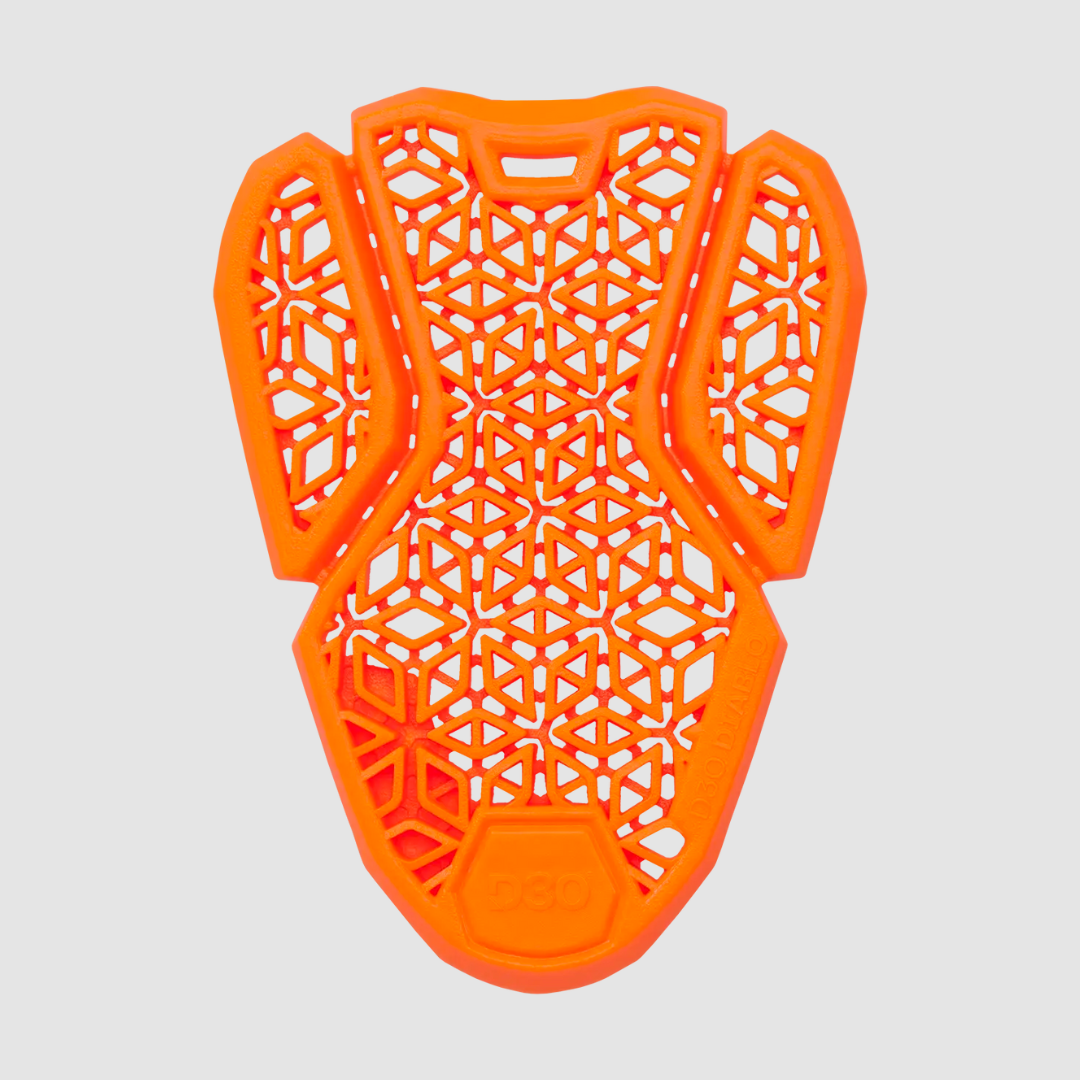
When it comes to impact protection, CE ratings focus heavily on armour inserts.
CE Level 1 vs Level 2
- Level 1: Basic protection, allows higher force transfer
- Level 2: Absorbs significantly more impact energy
Level 2 armour is widely considered the safer choice because it reduces the force transmitted to your body during a crash.
Where Armour Is Tested
CE armour standards apply to key impact zones
- Shoulders
- Elbows
- Hips
- Knees
- Back
Each area is tested separately, which means not all gear offers equal protection across the body.
CE Ratings for Motorcycle Clothing Explained
Here’s where many riders get confused. Armour ratings and clothing ratings are different.
Motorcycle clothing is tested under EN 17092 and classified into protection levels.
CE Clothing Ratings Breakdown
- AAA: Maximum protection for high-speed riding
- AA: Strong protection for everyday road use
- A: Basic protection for urban riding
- B: Abrasion resistance only
- C: Impact armour only
AAA-rated gear offers the highest abrasion resistance and structural integrity.
AA is often the sweet spot for most riders, balancing safety with comfort.
Common Mistake Riders Make
One of the biggest misconceptions is assuming that a jacket with CE armour is fully CE-rated.
It’s not.
A jacket might include CE Level 2 elbow pads but still lack certification for abrasion or seam strength.
What You Should Check
- Is it CE-certified armour
- Is the garment itself CE rated (A, AA, AAA)
- Are all protection zones covered
If any of these are missing, you’re not getting full protection.
The Role of a Motorcycle Jacket with Back Protector
Spinal injuries are among the most severe outcomes in motorcycle crashes. Yet many riders overlook back protection.
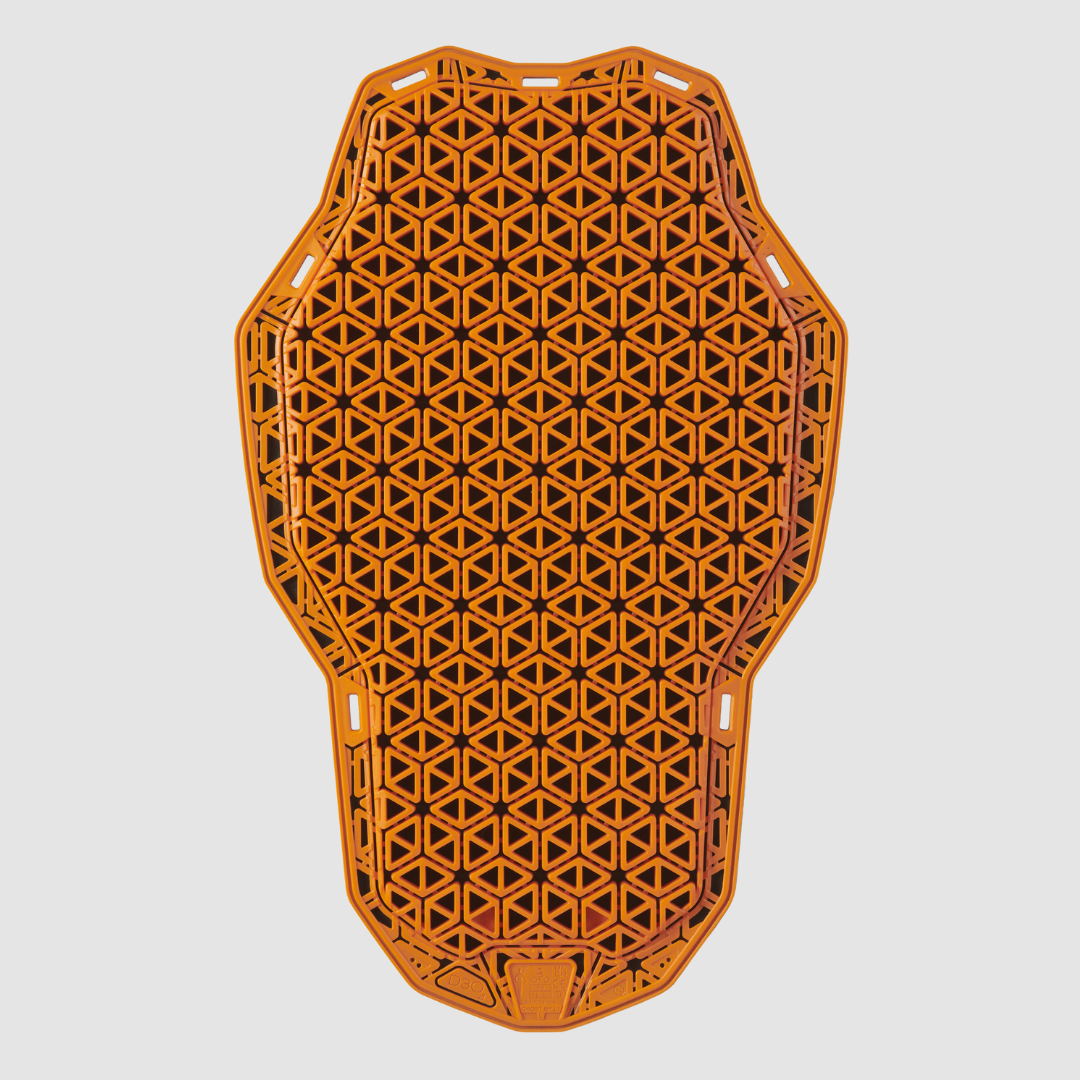
A motorcycle jacket with back protector provides targeted impact absorption for the spine, which standard foam inserts often fail to deliver.
What to Look For
- CE Level 2 back protector (EN 1621-2)
- Full coverage of the spine
- Proper fit to prevent movement during impact
Back protectors are tested separately, so always check their certification level rather than assuming they match the rest of the jacket.
How CE Testing Actually Works
CE testing isn’t theoretical. It’s physical and repeatable.
Key Tests Include
- Impact testing: Measures force transmitted through armour
- Abrasion testing: Simulates sliding on tarmac
- Tear strength: Ensures materials don’t rip apart
- Seam strength: Prevents garment failure
These tests ensure that gear performs under real-world crash conditions, not just in marketing claims.
Choosing the Right CE Rating for Your Riding Style
Not every rider needs AAA-rated gear. The right choice depends on how and where you ride.
Urban Commuting
- CE A or AA
- Lightweight and breathable
Touring and Weekend Riding
- CE AA
- Balanced protection and comfort
High-Speed or Sport Riding
- CE AAA
- Maximum abrasion resistance
The key is matching your gear to your risk level, not just your budget or style.
Frequently Asked Questions
1. Is CE Level 2 always better than Level 1?
Yes. Level 2 absorbs more impact energy, reducing injury risk. It’s the safer choice for most riders.
2. Do I need AAA-rated gear for daily riding?
Not necessarily. AA-rated gear offers strong protection and is more comfortable for everyday use.
3. Can I upgrade armour in my existing jacket?
Yes. Many jackets allow you to replace Level 1 inserts with Level 2 armour.
4. Does CE certification guarantee complete safety?
No gear can eliminate risk. CE ratings reduce injury severity but cannot prevent all harm.
5. Is non-CE gear unsafe?
Not always, but it hasn’t been independently verified. That uncertainty is the real risk.
CE ratings are not just technical jargon. They are a practical tool for understanding how well your gear will protect you when it matters most.
For Kiwi riders, the smartest approach is simple
- Choose at least AA-rated clothing
- Prioritise Level 2 armour
- Never ignore back protection
Brands like Resurgence motorcycle gear focus on combining certified protection with real-world comfort, which is exactly what modern riders need.
At the end of the day, good gear is not about looking the part. It’s about surviving the unexpected.


