

















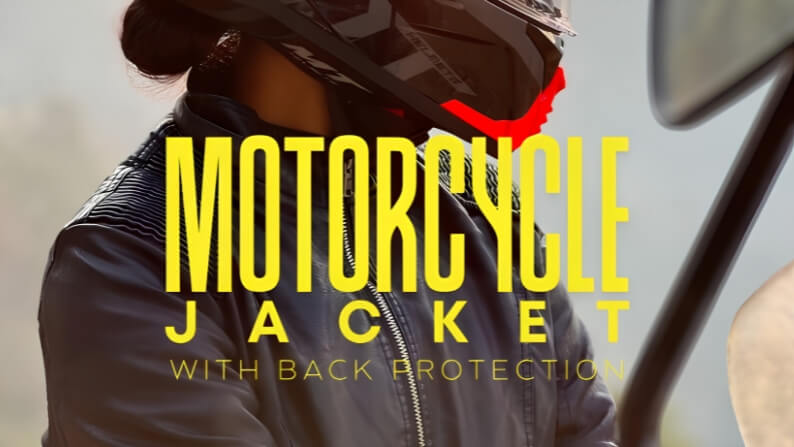
Why Every Bike Jacket Needs a Back Protector: Spine Safety Explained
When riders talk about protection, helmets and gloves usually get the spotlight. The spine rarely does, until something goes wrong. A quality Motorcycle jacket with back protector is not just another gear upgrade. It is a critical line of defence between you and a life-altering injury. The reality is simple. Your spine does not get a second chance.
The Anatomy of Risk: Why the Spine Is Vulnerable
Your spine houses the spinal cord, which controls movement, sensation, and vital bodily functions. In a crash, especially at speed, impact forces travel through the back and can lead to fractures, compression injuries, or worse, paralysis.
Unlike elbows or knees, the spine cannot absorb shock safely. Without proper protection, even a relatively minor fall can result in long-term damage. That is why relying on a standard bike jacket without a dedicated back protector is a gamble most riders do not realise they are taking.
What a Back Protector Actually Does
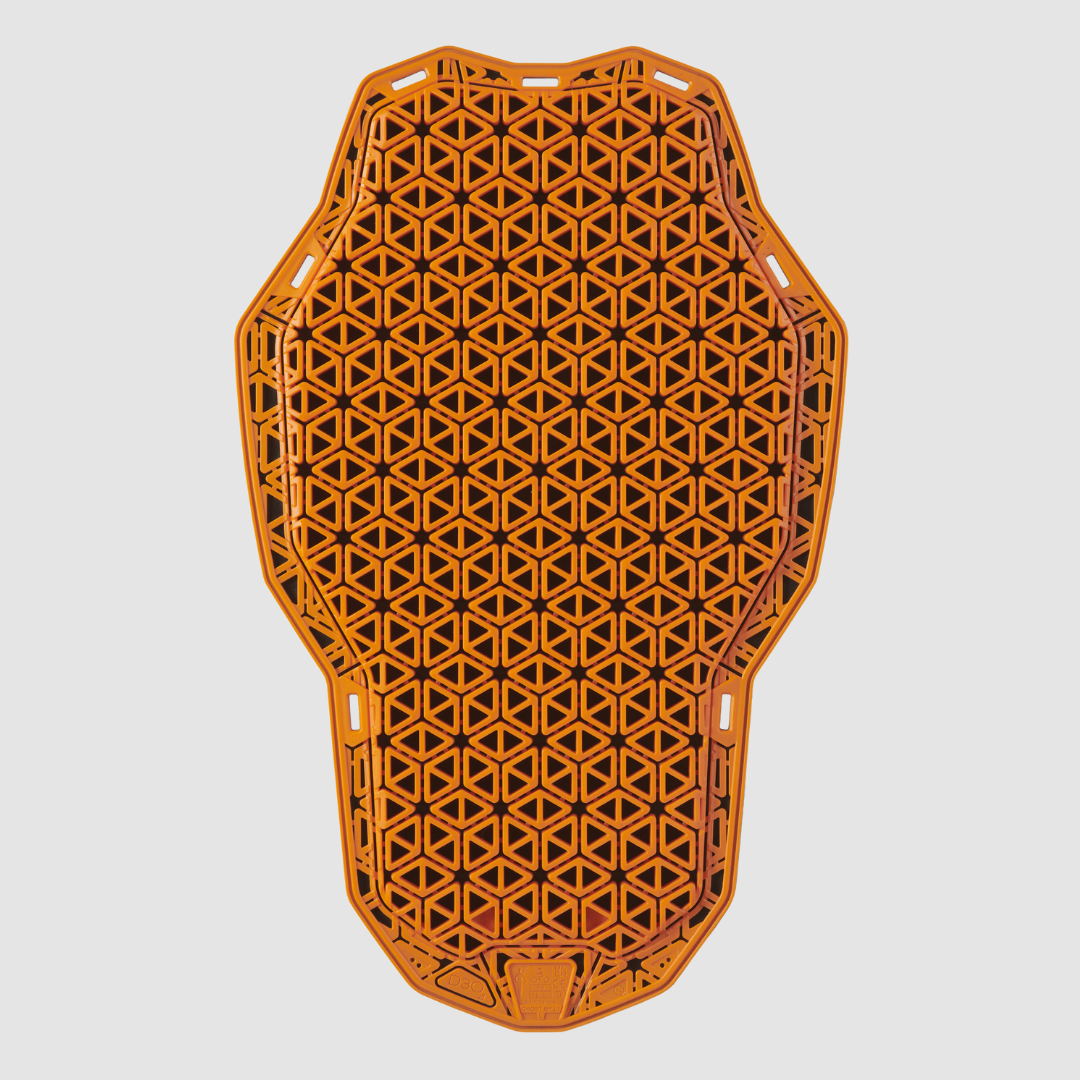
A back protector is designed to absorb and disperse impact energy. Instead of force concentrating on a single point on your spine, it spreads the load across a larger surface area. This reduces the severity of injury.
Modern protectors are engineered with advanced materials that stiffen on impact while remaining flexible during normal riding. This means you get comfort without compromising safety.
Key Functions
- Impact absorption to reduce force transfer
- Energy dispersion across the back
- Protection against sharp objects and road debris
- Structural support during a crash
CE Ratings and What They Mean
Not all protectors are created equal. In New Zealand and globally, CE certification is the benchmark for safety.
CE Level 1 vs Level 2
- Level 1 allows higher force transmission
- Level 2 offers significantly better impact protection
If you ride frequently or at higher speeds, Level 2 protection is worth prioritising. It reduces the force reaching your spine by a substantial margin.
Why Foam Inserts Are Not Enough
Many entry-level jackets come with thin foam inserts labelled as back protection. In reality, these are placeholders.
They offer minimal resistance to impact and often fail to meet CE standards. Think of them as packaging, not protection. Upgrading to a certified protector is one of the simplest and most effective safety improvements you can make.
Advanced Protection: D3O Technology Explained
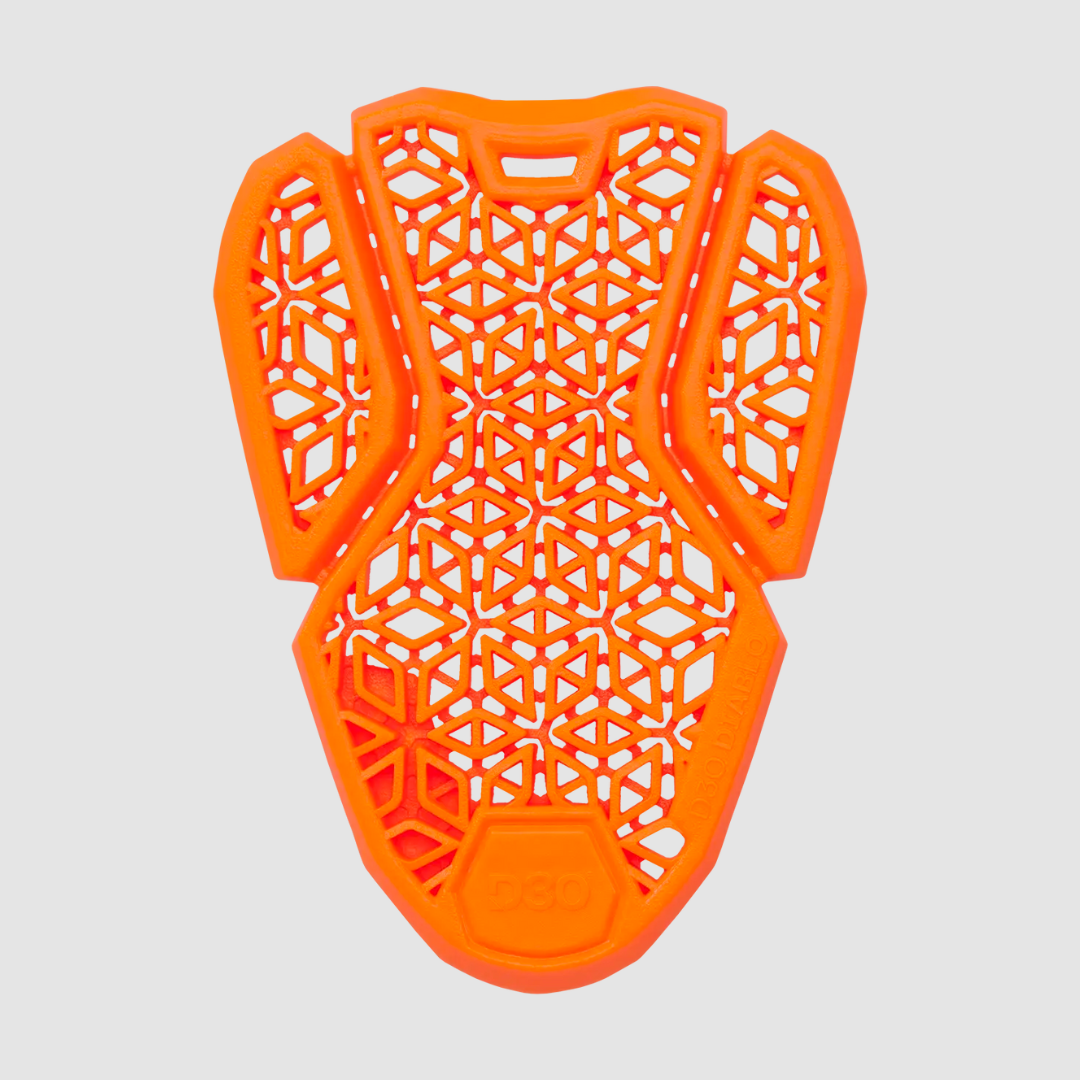
Materials have come a long way. One of the most widely trusted innovations in motorcycle armour is D3O.
How It Works
D3O remains soft and flexible during normal movement. On impact, its molecules lock together to absorb and dissipate energy.
Popular Options
- D3O Viper offers robust Level 2 protection with excellent airflow
- D3O Ghost back protectors are ultra-thin and lightweight, ideal for riders who prioritise comfort without sacrificing safety
Both options provide a significant upgrade over basic inserts, making them suitable for everyday commuting and long-distance touring alike.
Comfort vs Safety: You Do Not Have to Choose
A common hesitation among riders is discomfort. Bulky gear can feel restrictive, especially in warmer conditions.
Modern back protectors are designed with ventilation channels, ergonomic shaping, and lightweight materials. When fitted correctly, they integrate seamlessly into your jacket.
In fact, many riders report that once they switch to a proper protector, they forget it is even there.
Fit Matters More Than You Think
Even the best protector will fail if it does not fit properly.
What to Look For
- Coverage from the base of the neck to the lower back
- Snug fit without restricting movement
- Compatibility with your jacket’s armour pocket
A loose protector can shift during a crash, leaving critical areas exposed. Always check sizing guides and try before you ride if possible.
Real-World Scenarios: Where Back Protectors Make the Difference
Crashes are unpredictable. You might low-side on a wet corner or get rear-ended in traffic. In many cases, riders land on their back or slide across the road.
Without protection, the spine absorbs the brunt of the impact. With a certified back protector, the energy is managed and reduced.
This is not theoretical. Accident reports consistently show lower injury severity among riders using proper protective gear.
Integrating Protection into Your Riding Setup
A back protector should not be an afterthought. It should be part of your core gear setup.
Best Practice
- Upgrade your jacket insert to CE Level 2
- Pair with abrasion-resistant outer materials
- Combine with shoulder and elbow armour for full coverage
This layered approach ensures you are protected from multiple types of impact and injury.
Choosing the Right Jacket for Spine Safety
When shopping for gear, look beyond style and branding.
Features to Prioritise
- Dedicated back protector pocket
- CE-certified armour compatibility
- Breathable and durable materials
- Proper fit and adjustability
A high-quality jacket is an investment in your safety, not just your appearance.
The Cost of Ignoring Spine Protection
It is easy to overlook what you cannot see. But spinal injuries come with lifelong consequences.
Medical treatment, rehabilitation, and loss of mobility can change everything. Compared to that, the cost of a proper back protector is minimal.
Riders often spend on performance upgrades for their bikes. Investing in your own protection should come first.
Frequently Asked Questions
1. Do I really need a back protector if I ride casually?
Yes. Most accidents happen close to home at moderate speeds. Casual riding does not mean low risk.
2. Can I use the foam insert that comes with my jacket?
You can, but it offers very limited protection. Upgrading to a CE-certified protector is strongly recommended.
3. Are standalone back protectors better than inserts?
Standalone protectors often provide more coverage and stability, but inserts are more convenient for daily use. Both are effective if certified and properly fitted.
4. How often should I replace a back protector?
Replace it after any significant impact or if you notice wear and tear. Materials degrade over time, especially with frequent use.
4. Will a back protector make my jacket too hot?
Modern designs include ventilation and breathable materials. Most riders find them comfortable even in warmer conditions.
Spine protection is not optional. It is one of the most important elements of rider safety that often goes overlooked. A well-fitted back protector transforms your jacket from basic apparel into serious protective equipment.
Whether you choose advanced materials like D3O or upgrade to a higher CE rating, the goal is the same. Reduce risk, protect your spine, and ride with confidence.
If you are investing in quality motorbike riding gear, make sure your jacket includes proper back protection. Because when it comes to your spine, cutting corners is not worth the risk.


